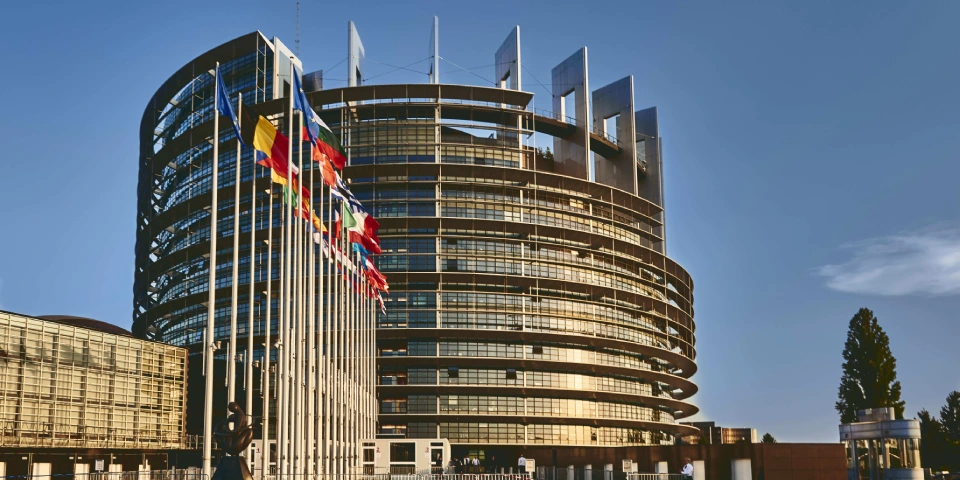
The European Union (EU) has an institutional framework aimed at promoting and defending its values, objectives and interests, the interests of its citizens and those of its Member States.
This framework also contributes to ensuring the coherence, effectiveness and continuity of EU policies and actions.
According to Article 13 of the Treaty on European Union, the institutional framework comprises seven institutions:
-
the European Parliament
-
the European Council ("EU council")
-
the Council of the European Union ("Council of the EU")
-
the European Commission
-
the Court of Justice of the European Union (CURIA)
-
the European Central Bank (ECB)
-
the Court of Auditors of the European Union (Court of Auditors)
The European Council ("EU council") and the Council of the European Union ("Council of the EU") are two separate institutions of the European Union that represent member state governments in different ways.
Key Differences
-
Members:
- European Council: Heads of state or government of the 27 EU member states, plus the President of the European Council and the President of the European Commission.
- Council of the EU: National ministers or state secretaries from each EU member state, grouped into 10 policy configurations (such as foreign affairs, finance, or agriculture).
-
Role:
-
Leadership & Chairing:
-
Decision-Making & Meetings:
Locations
- Both are based in Brussels and share meeting buildings.
The European Council and the Council of the European Union are supported by the General Secretariat of the Council.
For official details, see:
- Consilium's comparison of the European Council and the Council of the EU.
- The European Council and the Council of the European Union - Why two 'Councils'? What is the difference?
- Youtube cahannel of the Council of the EU: Council vs European Council: What’s the Difference?
Each institution acts within the limits of its remit, granted in the treaties in line with the procedures, conditions and purposes laid down therein.
The Parliament, the Council and the Commission are assisted by the European Economic and Social Committee (EESC) and the European Committee of the Regions (CoR) performing advisory functions.
According to the Treaties, some decisions are adopted not by the Council but by common agreement of the governments of the Member States, for instance the appointments of the Judges and Advocates-General to the Court of Justice of the European Union, or the setting of the seats of the institutions and agencies. Those decisions are generally adopted on the sidelines of the Council or Coreper meetings. They are not EU acts and therefore cannot be challenged before the Court of Justice of the European Union.



