
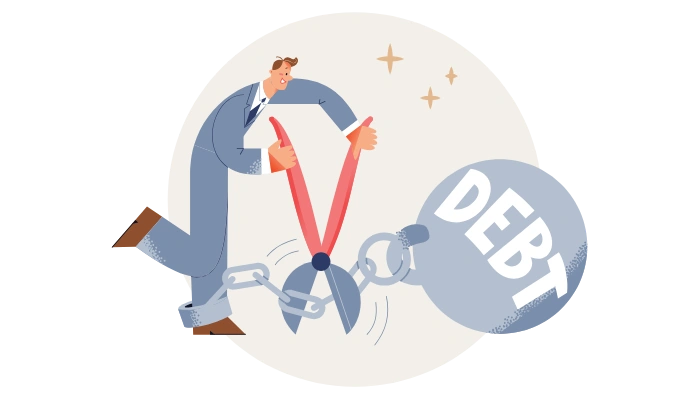
The purpose of the laws is to establish a legal basis for a collective procedure for satisfying creditors' claims at the expense of the debtor's property by applying a restructuring or bankruptcy procedure.
"Insolvency administrator" is a person who is appointed in accordance with this law to supervise the debtor and/or manage its activities during the observation period, insolvency proceedings and/or for the period of restructuring in accordance with the powers established by the insolvency law.
The Insolvency Law No. 149/2012 of the Republic of Moldova aims to balance interests: it offers honest debtors a chance for recovery (restructuring) and guarantees creditors the recovery of claims through transparent procedures, while limiting the risk of fraud or intentional insolvency.
Main Legal Mechanisms
- Restructuring Process: Allows the debtor to continue operating and pay its debts according to an approved plan, avoiding bankruptcy.
- Bankruptcy Procedure: Applicable when the restructuring fails, leading to the liquidation of the debtor's assets for the distribution of funds to creditors.
- Role of the Administrator/Liquidator: Appointed by the court, he takes over partial or total management of the business to protect the debtor's assets and ensure fair distribution.
Stages of the Procedure
- Attempt: The debtor or creditors file a reasoned request. The court orders precautionary measures to block individual forced executions and protect the assets.
- Observation Period: The debtor's financial condition is assessed and the final list of receivables is drawn up.
- Approval of the Plan / Liquidation: The restructuring plan is voted on or the assets are liquidated directly.
- Deletion: After the distribution of the estate and the completion of the procedure, the debtor, a legal entity, is removed from the State Register.
Please specify what specific aspect you are interested in to discuss the topic in more depth.
- Stages of the observation period?
- Priority of payment of claims (how is the money divided between creditors)?
- Difference between insolvency of individuals and legal entities?
The Insolvency Law is a complex and multifaceted document, and for a deeper understanding of its provisions, we recommend that you seek advice from specialists.



