Home / European Commission
European Commission
The European Commission is the executive branch of the European Union, responsible for drafting legislation, managing the Union's budget, overseeing compliance with EU law, and implementing international agreements. It is currently led by Ursula von der Leyen (whose second College of Commissioners took office in December 2024 and will coordinate the Union's work until 2029).
Key Functions
- Legislative initiative. The Commission holds the exclusive right to propose new laws at the EU level.
- Enforcement oversight. It ensures that all member states correctly apply European legislation.
- Budget management. The body allocates funding and coordinates programs (such as the Horizon Europe research program).
- International representation. It conducts negotiations and represents EU interests on the global stage.
Structure and Composition
- College of Commissioners. Comprises 27 politicians (one from each EU country), including the President and Executive Vice-Presidents. Each oversees a specific policy area. They are required to act independently of national governments.
- Directorates-General (DGs). The administrative staff numbers approximately 32,000 civil servants. They are organized into departments similar to government ministries (e.g., for competition, international trade, or enlargement).
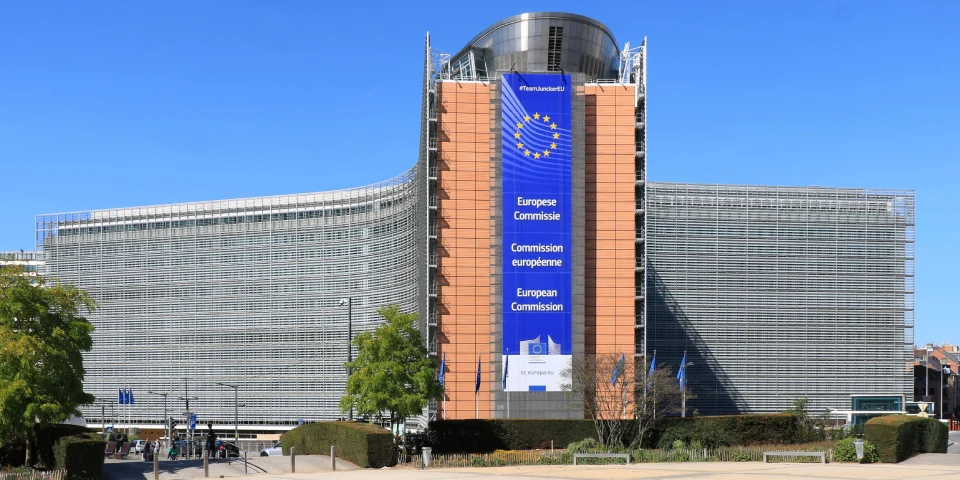
- Headquarters. The European Commission's main offices and services are located in Brussels (the Berlaymont building) and Luxembourg.
Decisions within the College are made collectively at weekly meetings based on the principle of equal voting rights.



