
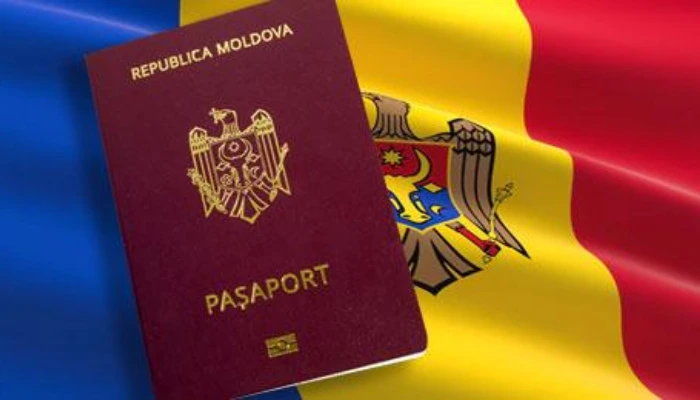
Law No. 253/2025 on citizenship establishes the basic norms regarding the acquisition, retention and loss of citizenship of the Republic of Moldova.
The purpose of this law is to ensure respect for the rights and freedoms of individuals, provided for by law, taking into account national interests and the principles of the rule of law.
The new Moldovan Citizenship Law, which entered into force on December 24, 2025, unifies procedures, tightens requirements (mandatory exam in Romanian and the Constitution, personal application without intermediaries), but maintains the main paths of acquisition: by birth, recognition (for descendants of deportees, residents of 1990), adoption, restoration or naturalization (through residence). The law aims to combat fraud, increase transparency, and prevent the illegal acquisition of passports by making the process more rigorous and personal, meaning more thorough background and financial checks for applicants.
Main ways to obtain citizenship
- By birth: If one of the parents is a citizen of Moldova.
- By recognition: For those born in Moldova, whose ancestors were born in Moldova, as well as for descendants of those deported (after June 28, 1940) and those who legally resided in Moldova before June 23, 1990.
- By adoption/guardianship: For minors, if at least one of the adoptive parents is a Moldovan citizen.
- Naturalization: By residence, requires knowledge of the language and the Constitution.
- Restoration: For those who have lost citizenship, they must now undergo a procedure similar to naturalization.
Key requirements from December 2025
- Mandatory exam: All applicants must pass an exam on knowledge of the Romanian language and the Constitution.
- In-person submission: Powers of attorney and intermediaries are prohibited; Documents must be submitted in person by the applicant.
- Enhanced background checks: In-depth analysis of travel history, financial status, and criminal records.
- Anti-fraud measures: Measures to prevent document falsification and identify fraudulent attempts.
- Sanctions: Individuals under international sanctions cannot obtain citizenship.
What does this mean for applicants?
The process is becoming more transparent, but also more demanding. Obtaining citizenship is becoming more difficult, as in-person presence and language proficiency are now required, creating barriers for the elderly and employed.
Services on Citizenship of the Republic of Moldova on the website of the Public Services Agency
A state fee is charged for the provision of this service, as established by Law No. 213/2023 on State Fees, in favor of the state budget.
Legal basis of the Republic of Moldova
-
Constitution of the Republic of Moldova
-
Law No. 253/2025 on citizenship of the Republic of Moldova
-
Law on State Fee No. 213/2023
Law on State Fees of the Republic of Moldova
The Law on State Fees of the Republic of Moldova regulates the collection of fees for legally significant actions and the issuance of documents by state bodies, including court cases, civil registration, issuance of passports and visas, filing applications for citizenship, residence permits, notarial acts, judicial executors (bailiff's) actions etc.



